Meet Our President, Louis W. Berndtson, Jr.
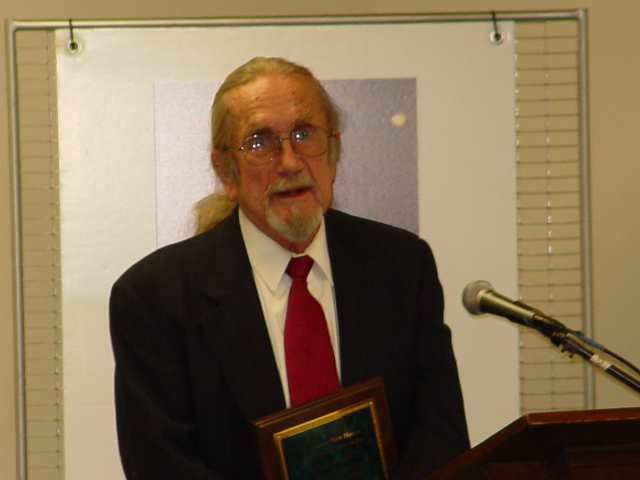
My Father (Louis W Berndtson) was an officer in the “Brotherhood of Railroad Trainmen, Local #936”. Serving “The New York New Haven and Hartford” and Harlem River lines. When there was trouble in the “Yard” or the local, they came looking for “Louie”. Someone’s in trouble: “Get Louie!” Something’s wrong: “Get Louie”. The phone could ring any time of the day or night. Phrases like “Pull the pin” (Strike), “Never let them have more men in the room than you do!” (Grievance or Negotiations). This is what I grew up with. So no surprise, when in 1965, with a wife and small child at home and no real support from Yale, I decided to go Union. A few meetings with Vincent Sirabella led to 20 years of organizing and a victory for Local 34 FUE.